 021 388 5279
 060 661 4302


Balcony
Waterproofing
Cape Town
We identify where balcony leaks start and install durable waterproof systems to stop water penetration and protect your property long-term.
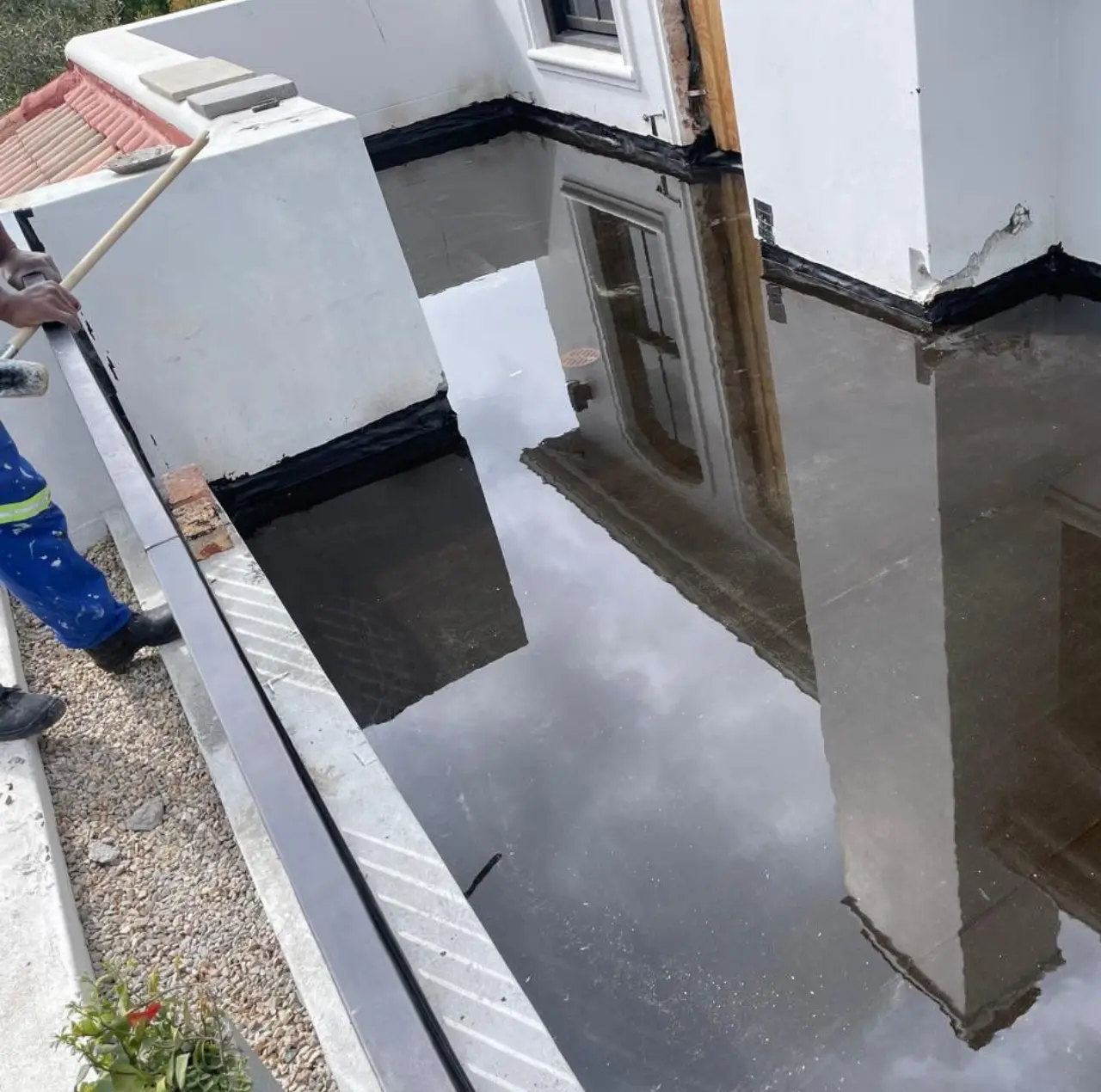
Water seeping through balcony tiles
Cracked tiles and damaged grout allow water to penetrate beneath the surface, causing leaks into rooms below.
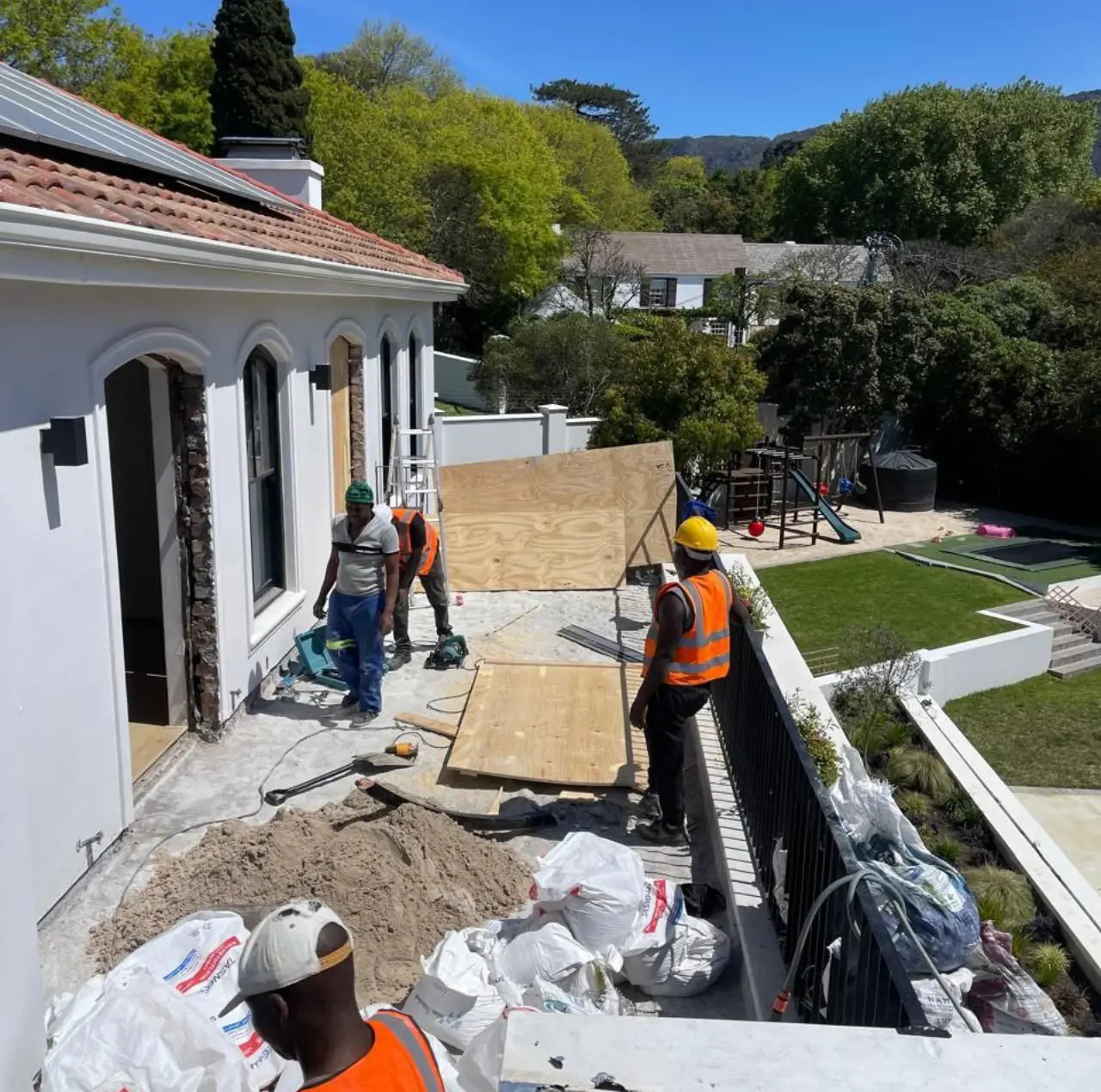
Waterproofing without removing your tiles
Advanced membrane systems can be applied over existing tiles, saving time and reducing costs while providing long-lasting protection.
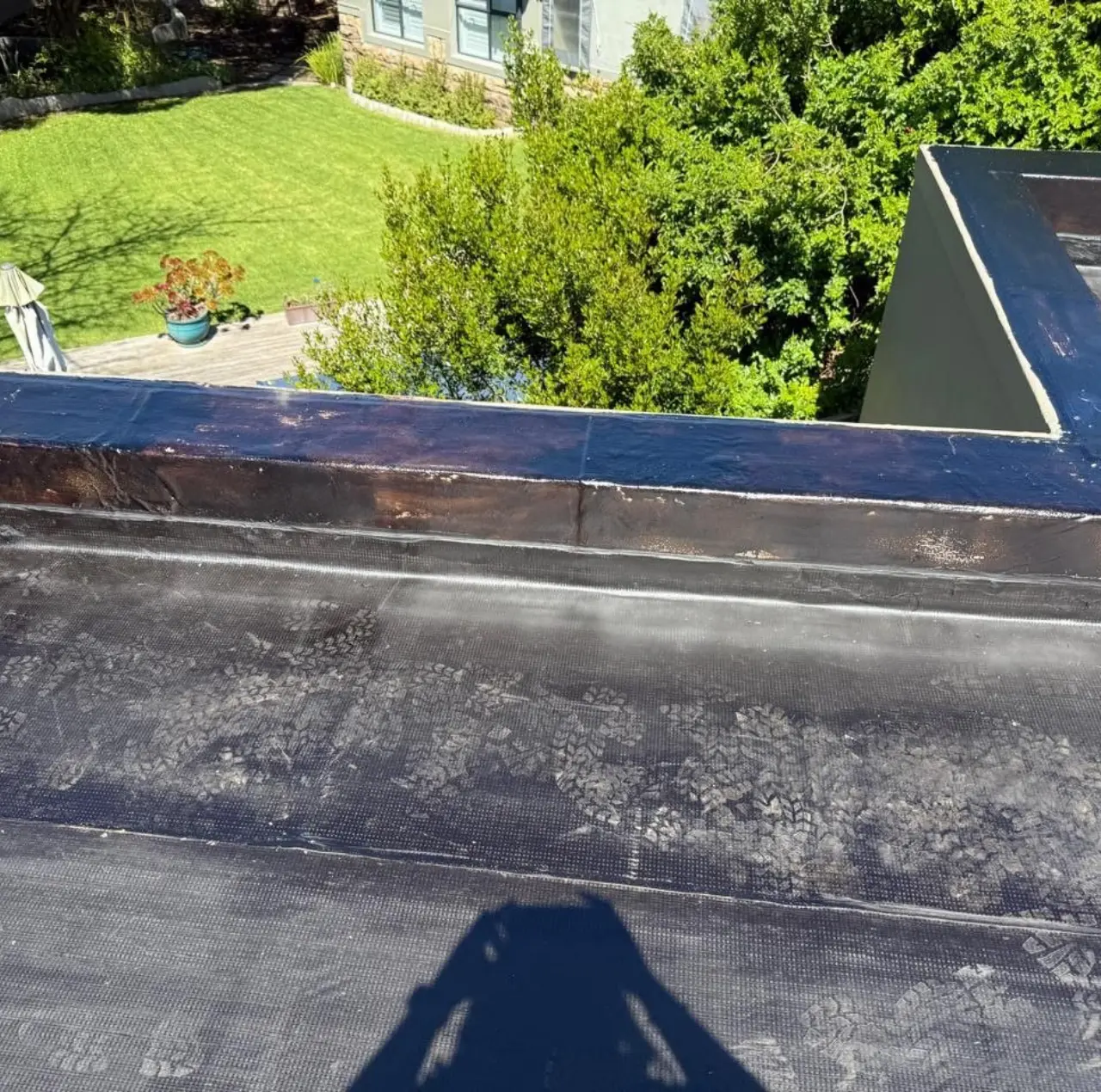
A dry, protected balcony that lasts 10+ years
Professional waterproofing creates a durable barrier that protects your balcony from Cape Town's harsh weather for over a decade.
Signs Your
Balcony Is
Leaking
Balcony leaks start small but grow fast. Early signs include ceiling stains, cracked grout, or water pooling after rain. Left unchecked, water damages concrete, causes mould, and corrodes steel reinforcement.
Warning Signs
- Ceiling stains below balcony
- Cracked grout or loose tiles
- Water pooling after rain
- Damp smells or mould
- Bubbling paint or ceiling damage
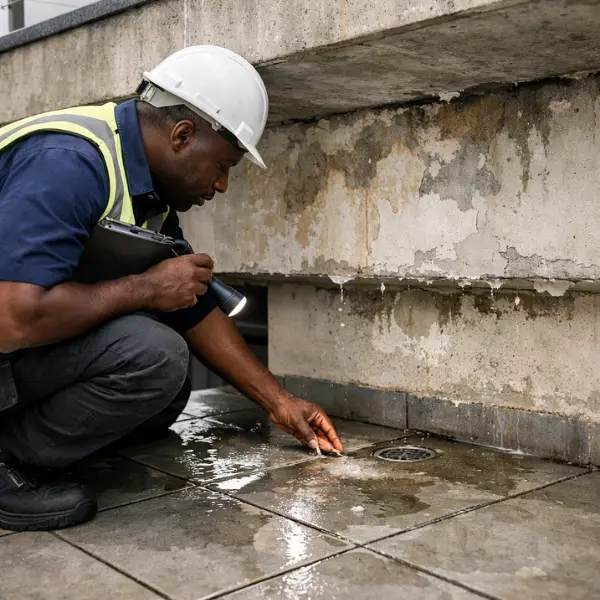
Balcony Leak
Repair
Balcony waterproofing starts with inspecting the surface, drains, and existing membrane. Most leaks occur when the waterproof layer fails or cracks allow water into the concrete slab.
Repairs may include sealing cracks, installing a new membrane, or applying flexible waterproof coatings over tiles to stop water penetration.
Our Team
Experienced
Local
Technicians
Our team focuses on practical repair work and reliable waterproofing systems — built for Cape Town's specific climate challenges.
Call Us NowExperienced Balcony Waterproofing Technicians
Our team has waterproofed 300+ balconies across Cape Town covering every surface type and every condition.
Professional Repair Tools and Equipment
Industrial grade injection equipment and membrane applicators for lasting, professional results.
Quality Waterproof Membranes and Coatings
We use only certified membranes rated for Cape Town's extreme UV and salt air exposure.
Reliable Inspection and Repair Methods
Moisture mapping and thermal scanning to pinpoint failures invisible to the naked eye.
Services We Provide
Balcony waterproofing problems vary depending on the structure, tile system, and drainage layout. We offer several repair solutions depending on the condition of the balcony surface.
Balcony Leak Detection
The first step is identifying exactly where water enters the structure. Technicians inspect tile joints, grout lines, slab cracks, balcony edges, flashing, and drainage outlets to determine whether the leak is caused by membrane failure, tile damage, or structural movement.
Waterproofing Over Balcony Tiles
When balcony tiles remain solid and well bonded, a flexible waterproof coating can be applied directly over the tile surface. The tiles are cleaned, primed, and coated with a waterproof membrane that seals grout joints and prevents water from penetrating below.
Balcony Membrane Installation
If the existing waterproofing layer has completely failed, tiles may need to be removed so a new membrane system can be installed. This involves preparing the surface, repairing cracks, and installing a durable waterproof membrane before the tiles are replaced.
Balcony Crack Repair and Sealing
Concrete balconies often develop hairline cracks because of temperature changes and structural movement. These cracks are sealed using flexible sealants or repair compounds before waterproof coatings are applied to the surface.
Balcony Floor Sealing
Small leaks sometimes occur through porous grout joints. Sealing tile joints and exposed areas of the balcony floor with waterproof sealants helps prevent rainwater from penetrating the slab.
Our Repair
Process
Balcony waterproofing requires proper preparation and correct application of materials. Each project follows a structured process to ensure long-lasting results.
Technicians inspect the balcony surface, tile condition, drainage outlets, and structural cracks to understand how water enters the system.
After inspection the exact cause of the leak is identified. This helps determine whether sealing, coating, or full membrane replacement is required.
The balcony surface must be thoroughly cleaned before waterproofing begins. This may include pressure washing, removing loose grout, and repairing cracks.
A waterproof membrane or flexible coating is applied across the balcony surface. Edges, joints, and drainage outlets receive additional sealing.
After the waterproofing system is installed, the balcony is checked to ensure the surface is properly sealed and resistant to water penetration.
Materials
& Systems
Balcony waterproofing demands materials that endure constant exposure to rain, UV rays, and structural shifts. The right system creates a continuous barrier that stops water before it reaches the concrete beneath.
Polyurethane Waterproof Coatings
Liquid Rubber Membranes
Cement-Based Waterproofing
Flexible Joint Sealants






We bring the right materials and expertise to every job.
Book Inspection
Fill in your details and send your booking request via WhatsApp or Email
Areas We Serve
Our Service Areas Include:
Cape Town
High-rise apartments & coastal properties
Stellenbosch
Estate homes & heritage buildings
Somerset West
Residential complexes & townhouses
Bellville
Apartment buildings & commercial properties
Parow
Family homes & older apartment blocks
Durbanville
Modern estates & hillside properties
Brackenfell
New developments & residential estates
Milnerton
Beachfront apartments & canal properties
Fast Response Across Cape Town
Our technicians respond quickly throughout the Western Cape. From City Bowl apartments to Milnerton coastal properties, we bring professional waterproofing systems directly to your location.
Balcony Waterproofing Questions
Find answers to common balcony waterproofing questions
What causes balcony leaks?
Most balcony leaks occur when the waterproof membrane beneath the tiles deteriorates due to weather exposure and structural movement. Water finds its way through cracks in grout, failed sealants, and damaged flashing around door thresholds and drainage areas.
Can tiles stay in place?
In some cases, waterproof coatings can be applied over existing tiles if the original membrane remains intact. This approach saves time and expense when the tile surface is still sound and properly bonded to the substrate below.
How long does waterproofing last?
A properly installed waterproofing system can last many years depending on environmental conditions and structural movement. Regular inspections help identify areas where the coating may be wearing and need maintenance or reapplication.
How do you fix leaks?
The leak source must be identified first through careful inspection. Damaged areas are repaired and a waterproof membrane is applied to restore the protective barrier and prevent water from entering the structure.
What about standing water?
Standing water on a balcony indicates drainage problems or a failed waterproof membrane. Proper slope and drainage must be restored so water flows away from the structure instead of pooling and penetrating the concrete slab.
Stop Balcony Leaks Before They Damage The Structure
Water leaking from a balcony spreads quickly into ceilings, walls, and concrete slabs. A proper inspection identifies the leak source so the waterproof barrier can be restored and prevent further damage.