 021 388 5279
 060 661 4302


Residential
Waterproofing
Cape Town
Leak Detection & Waterproofing Repairs
Water leaking through roofs, balconies, or bathrooms can quietly damage your home. We inspect the problem, find where water is entering, and install proper waterproofing systems to stop the leak and protect your property.
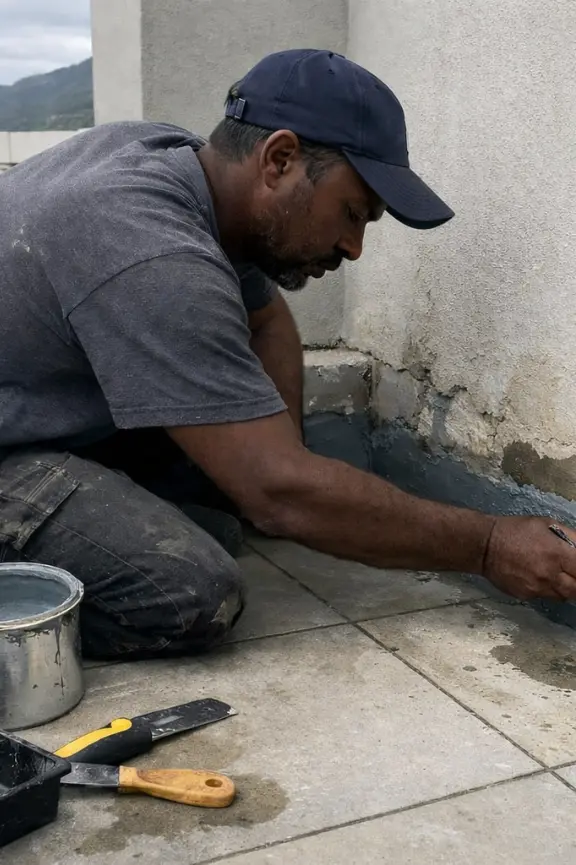
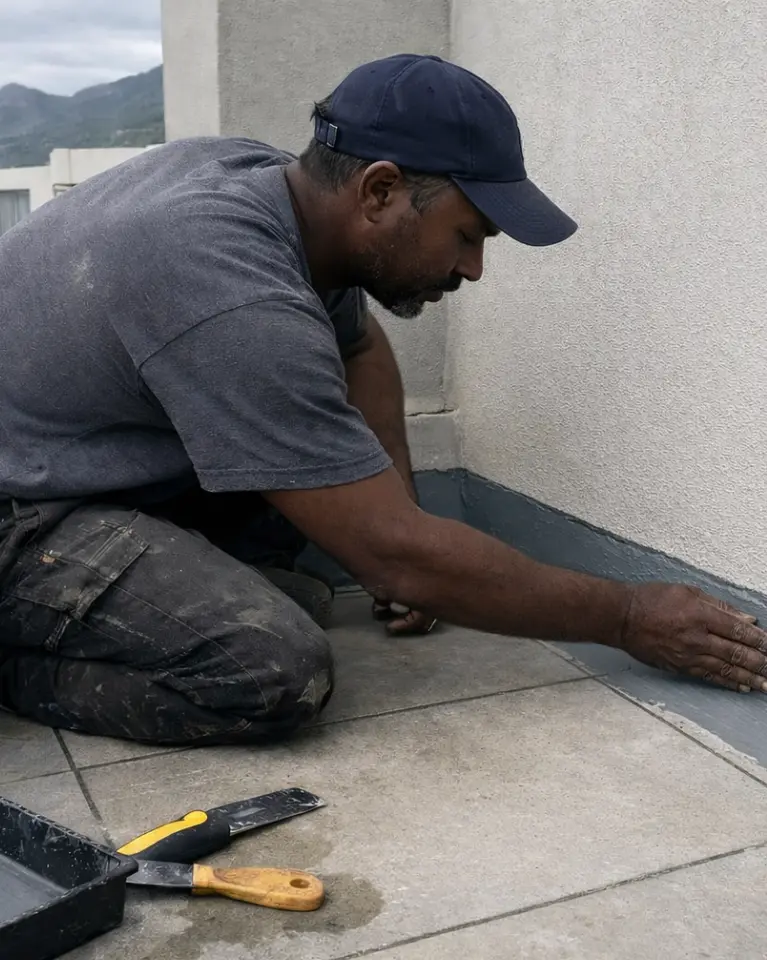
Signs Your
Home May Need
Waterproofing
Many homeowners only notice waterproofing problems once water has already entered the structure of the house. Leaks rarely start as a major problem. They usually begin with small failures in membranes, joints, or drainage systems.
Warning Signs
Early Signs Of Water Penetration
Common signs include damp patches on ceilings, peeling paint on walls, mold around bathrooms, or water dripping during heavy rain. In double-storey homes, leaking showers often show up as water stains on the ceiling below. Balconies can also leak through the slab and affect rooms underneath.
Roof And Flat Concrete Slab Failures
Roof waterproofing problems are especially common on flat concrete roofs where membranes have cracked or aged over time. Once water gets under the surface, it spreads through concrete and plaster, which is why leaks often appear far from the actual entry point.
The Cost Of Ignoring The Problem
If these issues are ignored, the damage can spread into ceilings, electrical fittings, cupboards, and flooring.
Residential Waterproofing
Explained
Residential waterproofing is the process of sealing parts of a home that are exposed to water so moisture cannot penetrate the structure.
What Residential Waterproofing Does
What Residential Waterproofing Does
Different Systems For Different Areas
Finding The Source Before Applying Anything
What Proper Waterproofing Involves
Why Homeowners
Trust Our
Waterproofing Work
Waterproofing repairs require careful inspection and correct installation methods. Our work focuses on finding the real cause of leaks rather than applying temporary solutions.
We use proven waterproofing systems designed for residential structures and follow proper preparation and installation procedures to ensure the repair lasts.
Thorough inspection before any repair
We identify exactly where water enters the structure before recommending any solution. No guesswork.
We fix the actual cause of the leak
Our focus is finding the real source of moisture penetration rather than applying temporary surface coatings.
Proven systems for residential structures
We use waterproofing membranes and coatings designed specifically for homes, tested for Cape Town conditions.
Proper preparation and installation
Every job follows correct surface preparation, crack repair, and membrane installation procedures so the repair lasts.
Residential
Waterproofing
Services
Homes can experience water penetration in several areas. Each area requires a slightly different repair approach depending on the structure and materials involved.
Flat concrete roofs are one of the most common sources of leaks in residential buildings. Waterproof membranes can crack over time due to weather exposure and movement in the structure.
Roof waterproofing repairs usually involve cleaning the slab, repairing cracks, installing a waterproof membrane, and sealing outlets and joints. Torch-on membranes and liquid waterproof systems are commonly used depending on the condition of the roof.
This type of repair prevents water from entering through the slab and protects ceilings and internal walls.
Learn moreBathrooms require waterproof membranes beneath the tiles to prevent water from reaching the concrete slab.
When these membranes fail, water slowly seeps through grout lines and tile joints. In double-storey homes this often appears as water stains on the ceiling below the shower.
Repair work may involve removing tiles, installing a new waterproof membrane, and resealing the shower area properly before re-tiling.
Learn moreBalconies are exposed to constant rain and temperature changes. Over time, tiles and grout can crack, allowing water to penetrate the slab.
Balcony waterproofing usually involves removing damaged tiles, repairing the concrete surface, applying a waterproof membrane, and reinstalling tiles or protective coatings.
This prevents water from leaking into rooms below the balcony.
Learn moreExterior walls can absorb water during heavy rain, especially when plaster cracks or paint coatings fail.
Wall waterproofing includes sealing cracks, repairing plaster, and applying waterproof coatings that protect the surface while allowing the wall to breathe.
Learn moreNot sure which service you need?
We inspect your property and recommend the right solution.
Our Repair
Process
Waterproofing repairs begin with identifying where water is entering the structure. Many leaks travel through concrete or plaster before appearing inside the house, which makes inspection important.
The process usually starts with a site inspection to locate the problem area and check surrounding surfaces.
Inspection
Remove Damaged Materials
Surface Preparation
Membrane Application
Seal & Restore
Materials
& Systems
The materials used depend on the structure and location of the leak. Using the correct material for each area is essential for long-term waterproofing performance.
Torch-On Bituminous Membranes
Heat-applied membrane sheets bonded directly to concrete surfaces. Commonly used on flat roof slabs where a durable, long-lasting seal is required.
Torch-On Bituminous Membranes
01Liquid Waterproof Membranes
02Cement-Based Waterproof Coatings
03Flexible Joint Sealants
04These systems are designed to handle movement, moisture exposure, and temperature changes common in residential buildings. Using the correct material for each area is essential for long-term waterproofing performance.
Request InspectionAreas We
Serve
We provide residential waterproofing services across Cape Town and nearby areas.
Our team regularly works in Stellenbosch, Somerset West, Strand, Bellville, Durbanville, and surrounding suburbs. Many homes in these areas experience waterproofing issues due to weather exposure, flat roof structures, and balcony designs common in residential developments.
Residential
Waterproofing
Questions
Find answers to common residential waterproofing questions.
Early signs include damp patches on walls or ceilings, peeling paint, mold growth, and water dripping during rain. Bathrooms and balconies are also common leak areas. If these problems appear, waterproofing failure may be the cause.
When the correct membrane system is installed and the surface is properly prepared, waterproofing repairs can stop roof leaks for many years. The key is identifying the real entry point of the water and sealing it correctly.
In many cases, yes. The waterproof membrane sits beneath the tiles, so repairing a failed shower membrane usually requires removing tiles, installing the new system, and then re-tiling the area.
The time required depends on the area being repaired. Small waterproofing repairs can sometimes be completed within a day, while larger balcony or roof waterproofing projects may take several days.
Common causes include aging membranes, poor installation during construction, cracks in concrete, blocked drainage outlets, and weather exposure over many years.
Yes. Waterproofing systems protect structural surfaces from moisture damage. Proper waterproofing is usually installed during construction in bathrooms, balconies, and roofs to prevent leaks later.
Yes. Exterior waterproof coatings and crack sealing can prevent water from penetrating walls during rain and reduce internal damp problems.
Book Inspection
If your home has signs of leaks or water damage, it's best to inspect the problem before the damage spreads. Contact us to schedule a residential waterproofing inspection and repair assessment in Cape Town.
Fill in your details and send your booking request via WhatsApp or Email. We respond within hours.